Let’s talk about (not so) Atypical Anorexia Nervosa

What is Atypical Anorexia Nervosa (AAN)
Atypical Anorexia Nervosa (AAN) falls under a diagnostic category called Other Specified Feeding and Eating Disorders (OSFED). This category includes several eating disorders that don’t fit neatly into other eating disorders such as Anorexia Nervosa or Bulimia Nervosa. Around 35% of people seeking support for an eating disorder treatment are diagnosed with OSFED, so it is far from uncommon.
By definition, people with Atypical Anorexia Nervosa meet all the same diagnostic criteria for Anorexia Nervosa (AN), except for one: despite significant and often rapid weight loss the person’s body weight remains within or above what is considered a “normal” range.
Anorexia Nervosa (AN) vs. Atypical Anorexia Nervosa (AAN)
- how are they actually different?

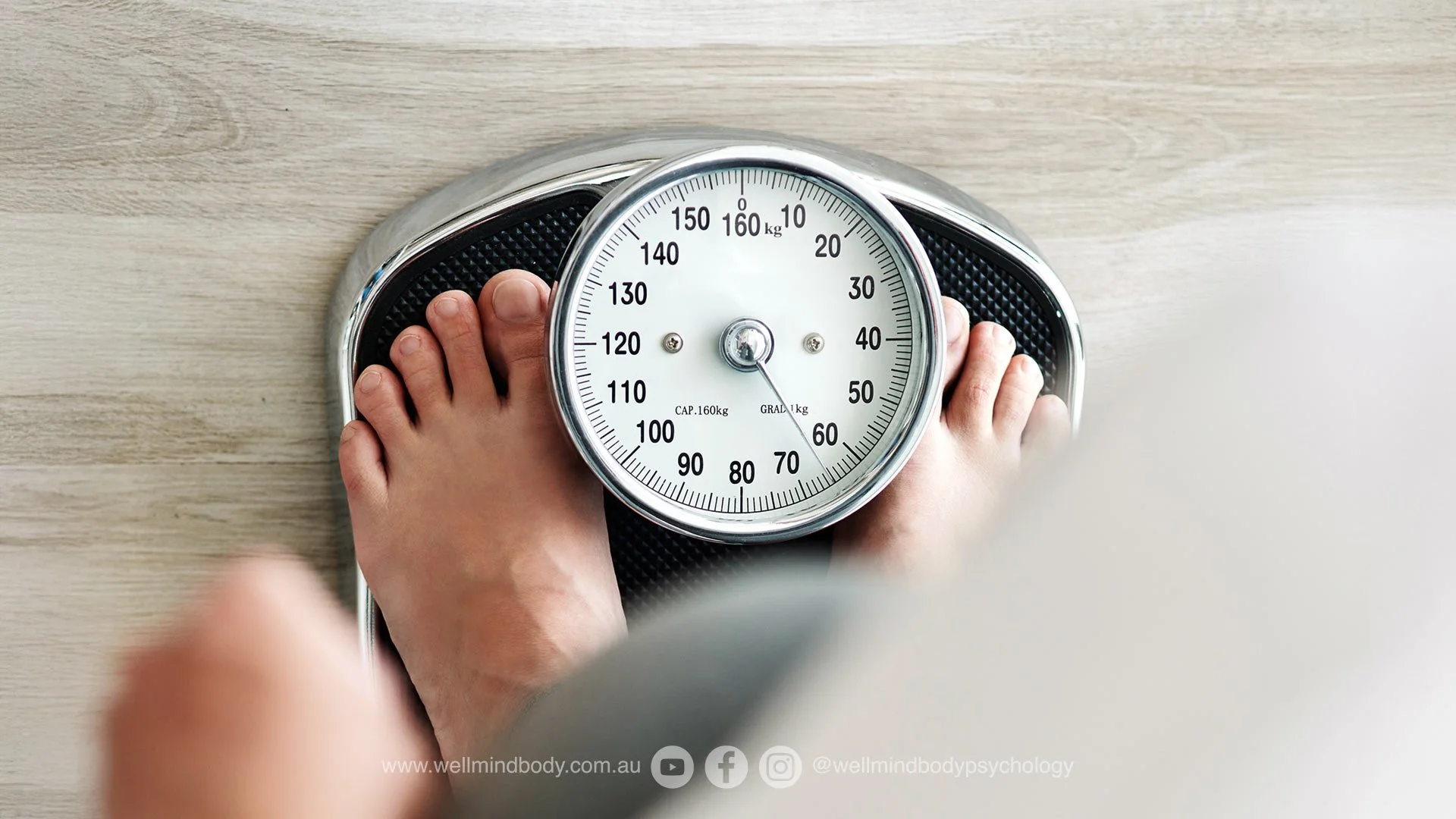
As you can see, the only real difference between AN and AAN is the number on the scale!
So why is it called Atypical?
The term ‘Atypical’ is in fact is a bit misleading. Research shows you are up to five times more likely to encounter AAN than AN. And fewer than 6% of people with an eating disorder are underweight.
The true rates of AAN are likely even higher, because many people who are not underweight are dismissed, misdiagnosed or avoid seeking help altogether due to experiences of weight stigma (more on that below).
Okay but Anorexia/AN must be more serious, right?
No! AAN is just as serious as AN.
The physical and psychological impacts of starvation and prolonged restriction can occur at any weight. Even if someone doesn’t “look sick”, their body and brain may be experiencing the same life-threatening complications as someone with AN.
Medically, the only differences found are that people with AAN may be less likely to experience amenorrhea (loss of period), or reductions in bone density, but the overall medical and psychological risks remain very similar.
And importantly, eating disorders don’t just affect the body. Research shows that compared with people in lower-weight bodies experiencing an eating disorder, people can experience:
more severe eating disorder thoughts
higher body dissatisfaction
equal or higher levels of anxiety and depression
Why this matters
Even though weight does not tell us how severe someone’s eating disorder is, it does unfortunately impact:
how seriously others take their symptoms
how healthcare providers treat them
how they view their own eating disorder (“I’m not sick enough”)
This can lead to missed diagnoses, delayed treatment or people not receiving the level of care needed.
A word on weight stigma and weight bias
Research shows that many health care professionals hold implicit weight bias, that is, automatic assumptions or negative attitudes towards others due to their weight. This can lead to weight stigma, which discrimination based on someone’s size.
Weight stigma is linked to poorer healthcare experiences and poorer health outcomes. One major contributor to this is the continued use of the BMI (Body Mass Index) as a health measure. The BMI was developed in the 1830s using data from white European men and doesn’t consider someone’s muscle, bone structure, age or sex. Yet it continues to influence how people are perceived and treated.
For people with eating disorders who are not underweight, particularly those in larger bodies, these misconceptions about what an eating disorder “should” look like often means:
symptoms are downplayed
their disorder is overlooked
treatment is delayed
Alarmingly, some people with AAN report being praised for the weight loss, even when they present with clear signs of disordered eating. Studies show that weight stigma can be both a trigger the eating disorder and a factor that keeps it going. Being encouraged to continue to lose weight from a health care professional can reinforce harmful beliefs such as not being “sick enough” for support.
Bringing it all together
There is very little meaningful difference between AAN and AN in terms of impact, seriousness or treatment needs. In fact, maintaining a separate label for AAN may unintentionally cause harm by limiting access to treatment and reinforcing eating disorder thoughts and behaviours.

A note from us at Well Mind & Body Psychology
At WMB, we recognise that eating disorders can affect people of all shapes, sizes, and backgrounds. We are committed to a weight-neutral approach to care, and we work hard to ensure no one’s symptoms are overlooked because they don’t fit a traditional stereotype of what an eating disorder “looks like.”
If you or someone you care about is struggling with restrictive eating, distress around food, or rapid weight changes—regardless of body size—support is available, and should be taken seriously.